
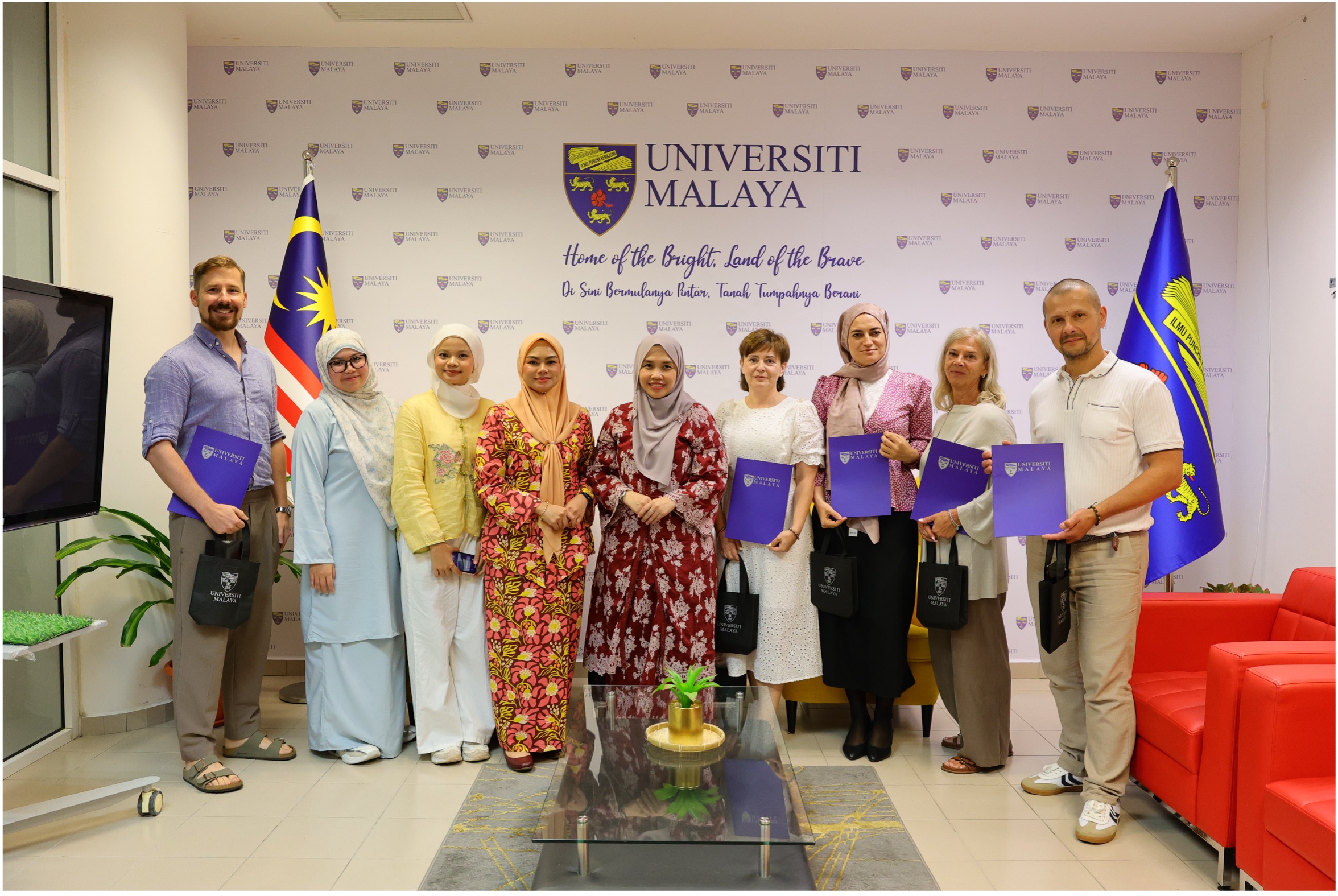
As part of its continued commitment to advancing internationalisation, Universiti Malaya (UM) successfully hosted the Erasmus+ Staff Mobility for Training Programme from 13 to 16 July 2026. Funded by the European Union, the Erasmus+ programme promotes international academic cooperation by facilitating staff mobility, institutional networking, and the exchange of best practices among higher education institutions worldwide.
The programme welcomed five delegates from three European partner universities: Mr. Artur Michalak and Ms. Edyta Michalak from Jan Grodek State University in Sanok, Poland; Assoc. Prof. Dr. Kevser Cinar from Necmettin Erbakan University, Turkiye and Ing. Klaudia Circova and Dr. Tomas Malatinec from the University of Ss. Cyril and Methodius in Trnava, Slovakia. Bringing together participants from diverse academic disciplines and institutional backgrounds, the programme provided a valuable platform to strengthen professional networks, exchange expertise, and explore opportunities for future collaboration in academic mobility, research, and institutional development.
Designed to showcase Universiti Malaya's academic excellence and strategic initiatives, the programme featured visits to key facilities and engagement sessions with various faculties and centres. The programme commenced with a welcoming session hosted by the International Relations Centre (IRC), during which the delegates were introduced to UM's internationalisation agenda, strategic priorities, and global engagement initiatives. The session was followed by a luncheon hosted by IRC at PAUM Clubhouse, where the delegates had the opportunity to meet Professor Dr. Yvonne Lim Ai Lian, Associate Deputy Vice-Chancellor (Academic and International).
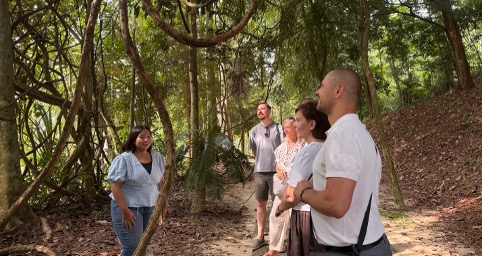
The second day featured a visit to Rimba Ilmu, UM's renowned botanical garden and conservation centre, which houses approximately 1,700 plant species. Guided by Ms. Ilyana, the delegates explored the University's efforts in biodiversity conservation while learning about its unique collection of native and rare plant species. The programme continued with a visit to the UM Sustainability Development Centre (UMSDC), where the delegates were introduced to the University's comprehensive sustainability agenda and its integration into campus operations, teaching, research, and community engagement.
During the session, UMSDC highlighted several flagship initiatives that demonstrate UM's commitment to sustainable development. These included the integration of sustainability principles across academic curricula, the UM Water Warriors initiative to restore and conserve water bodies within the campus, and the UM Zero Waste Campaign (ZWC), which supports the University's aspiration to become a zero-landfill and net-zero carbon campus by 2050, in alignment with Malaysia's national climate commitments. The discussions also explored potential areas for collaboration in sustainability-related research, education, and community engagement between UM and the delegates' home institutions.
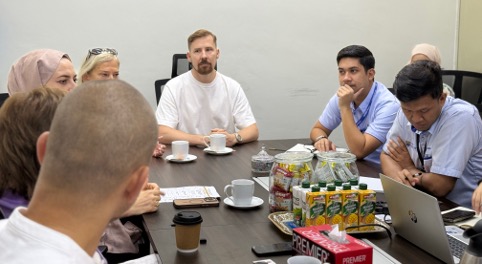
On the third day, the delegates visited the UM Global Mobility Centre (GMC) to gain further insight into the University's international mobility ecosystem. The session introduced a range of mobility opportunities available to partner institutions, including discipline-specific programmes such as Sustainable Entrepreneurship and Data Dreams and AI Scheme @ UM. Discussions also covered funding mechanisms, student support services, accommodation arrangements, and administrative procedures required to establish future mobility collaborations between Universiti Malaya and the participating universities.
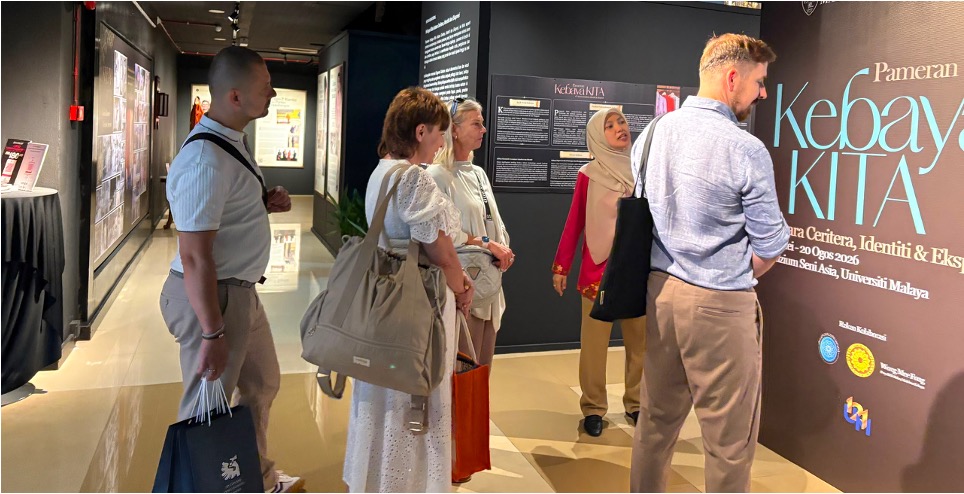
The final day of the programme featured visits to several cultural attractions within UM before the closing ceremony. The delegates first visited the Museum of Asian Arts, where they explored exhibitions showcasing Asia's rich cultural heritage, including the Pameran Kebaya Kita, an exhibition celebrating the kebaya as a shared cultural heritage of Malaysia, Indonesia, and Singapore. The programme continued with a visit to the UM Gallery, where the delegates viewed selected artworks and learned about their historical and cultural significance, including Court Lady by Giuseppe Castiglione. They also experienced UM Immersive 120, an interactive exhibition space that showcases Universiti Malaya's history.
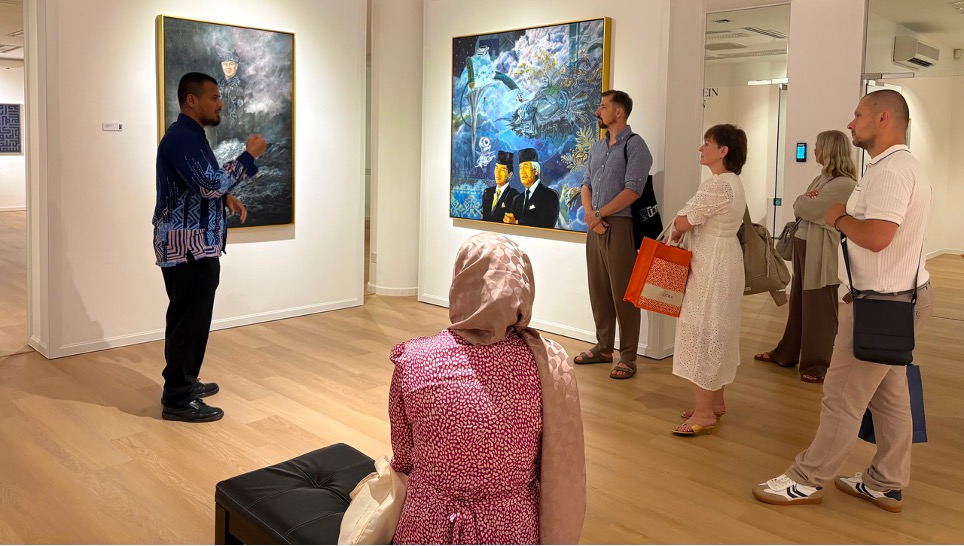
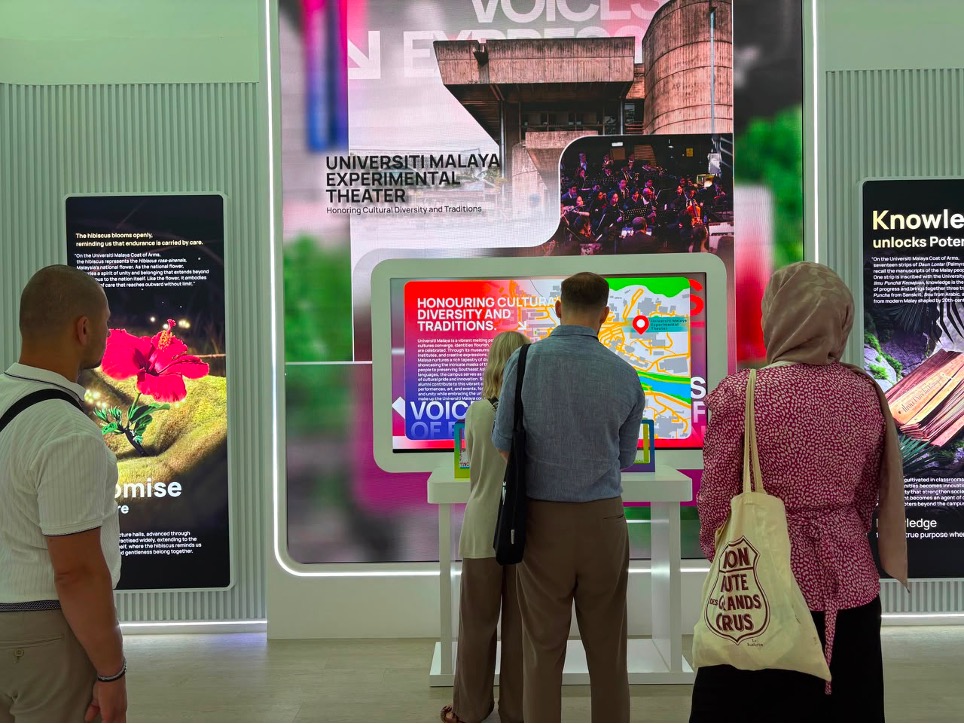
The programme concluded with a closing ceremony, during which the delegates reflected on their experiences throughout the four-day visit. The delegates expressed their appreciation for Universiti Malaya's comprehensive academic ecosystem, internationally oriented outlook, and collaborative culture, commending the University's strong commitment to excellence across teaching, research, sustainability, and global engagement.
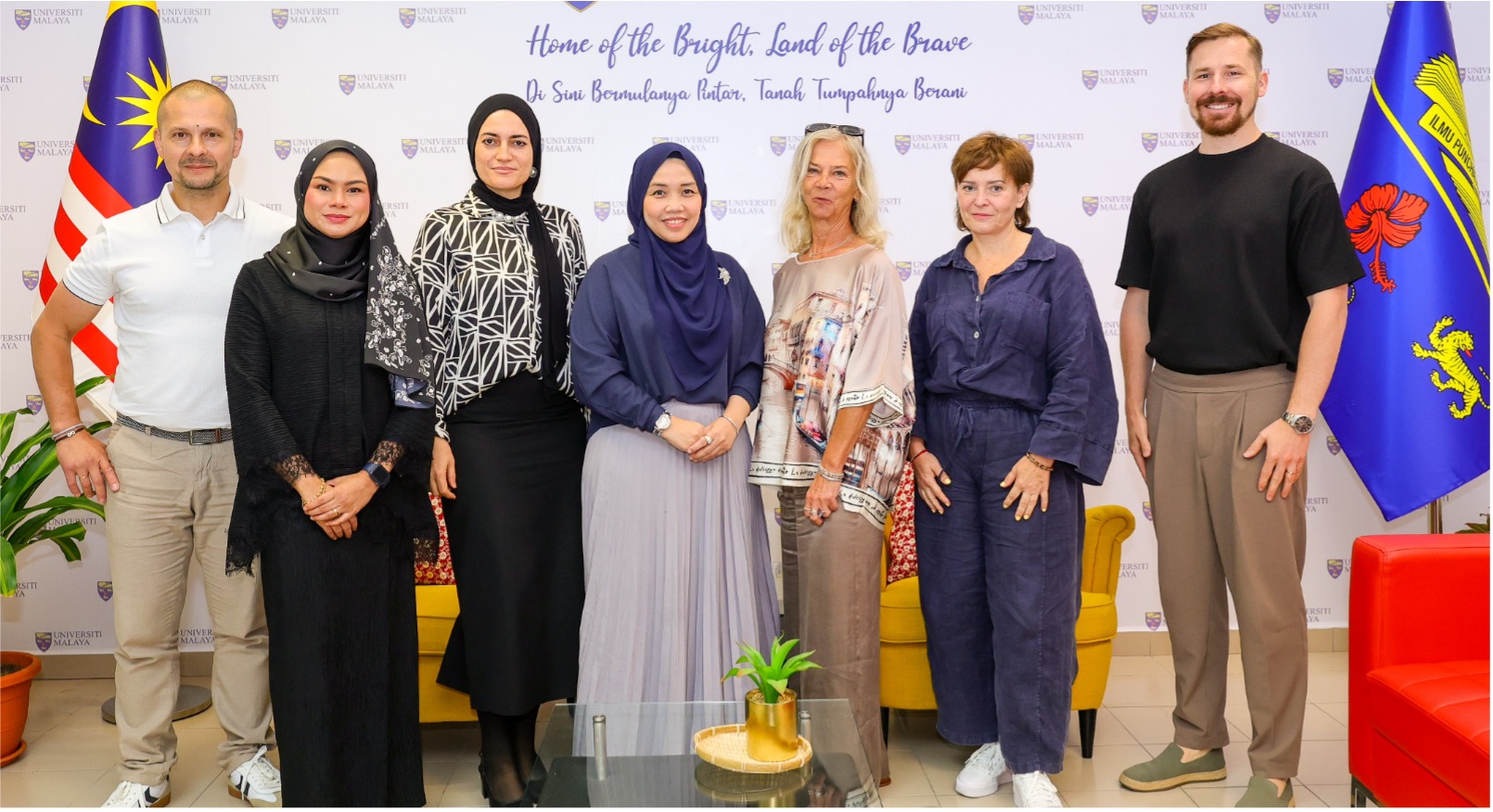
The Erasmus+ Staff Mobility for Training Programme concluded with renewed commitments to strengthen institutional partnerships between Universiti Malaya and its European partner universities.